The strongest skeptic says, “Income assets sound safe, but they can lose money, create work, and trap my cash.”
You are right. Income assets can lose money, demand work, and limit access to your cash. That truth does not make them useless. It shows why you need risk checks before buying one.
Key takeaway: Income does not equal profit until you subtract every real cost, including taxes, repairs, fees, and your time.
THE BIG PICTURE
What Are the Biggest Income Asset Risks?
Income assets can create regular cash flow, but every one carries tradeoffs.
Income assets may include rental property, websites, digital products, dividend stocks, or equipment rentals. Each asset can produce money without daily labor, but no asset creates guaranteed income without risk.
Some risks reduce your earnings. Others can destroy the asset itself. Common income asset risks include falling income, rising costs, hidden work, low liquidity, debt pressure, rule changes, weak demand, taxes, and asset loss.
Before investing, verify income records, calculate true profit, test a 30% downturn, keep emergency cash separate, and set a clear exit plan. These checks help protect cash flow and limit losses.
| Risk | What can go wrong | First check |
|---|---|---|
| Income dependence | One platform, buyer, tenant, or product controls your cash flow. | List every income source and its share of total revenue. |
| Hidden costs | Fees, labor, taxes, repairs, or refunds erase your profit. | Calculate true profit after every recurring cost. |
| Liquidity | You cannot sell quickly without accepting a large loss. | Estimate the time and cost of an exit. |
| Demand | Customers stop buying or prices fall. | Review sales, inquiries, prices, and customer feedback. |
These risks do not affect every asset equally. A dividend stock faces different risks than a rental property. A paid newsletter faces different risks than a vending machine.
Still, the same basic test works for each one: ask how the asset makes money, then ask what could stop that money.
Imagine a small website earning $600 each month. The owner spends $150 on hosting, tools, and contractors, leaving $450 before taxes and surprise costs.
If search traffic falls by 50%, monthly income may drop sharply. The asset still exists, but its cash flow changes. You must protect both the asset and its income.
Income can look stable right up until the source disappears.
CONCENTRATION RISK
Risk One: Your Income May Depend on One Source
One platform, buyer, tenant, or product can make an income stream fragile.
Many income assets depend on one platform, buyer, tenant, or product. A platform can change its rules overnight. A buyer can cancel an agreement, a tenant can move out, or a product can lose demand.
Consider a creator who earns $2,000 monthly from one marketplace. If the marketplace changes its search rules and sales fall to $800 the next month, the creator still has software bills and contractor fees.
You can reduce this cash flow risk through income variety. Sell through your own website and more than one marketplace, serve several customer groups, offer products at different price points, or hold several types of assets.
Diversification cannot remove risk. It can stop one problem from destroying your whole income plan.
PROFIT CHECK
Risk Two: Costs Can Hide Behind Revenue

Revenue is only the starting point; true profit comes after every real cost.
Many owners focus on money coming in and forget to track money going out. That mistake creates false confidence.
A rental property may collect $2,400 each month. Mortgage costs may total $1,450, insurance may cost $180, property taxes may average $250, maintenance may average $200, and vacancy costs may average $120.
The owner now has only $200 before taxes. One $1,500 repair can erase several months of income.
Digital assets create hidden costs too. You may pay for email software, design help, ads, storage, and support. A product earning $1,000 may cost $700 to maintain, leaving only $300 before taxes.
Track these three numbers before calling an asset profitable:
- Gross income: All money collected.
- Operating costs: Expenses required to keep the asset running.
- True profit: What remains after costs, taxes, reserves, and labor.
Also track your unpaid time. If you spend ten hours each month managing an asset, that time has value. An asset that earns $400 monthly may feel very different after ten hours of work, especially if your effective hourly return falls below $40.
Math check: Count your time as a cost, even when nobody sends you a bill. Your cash profit and your true return are not always the same.
PURCHASE PRICE
Risk Three: You May Buy at the Wrong Price
A strong income asset can still become a poor investment if you overpay for it.
The purchase price controls your future return. Imagine buying a small content website for $60,000. The site earns $1,000 monthly after regular costs, or $12,000 yearly profit.
Your first-year return equals 20% before taxes and large repairs. If income falls to $600 monthly, yearly profit drops to $7,200 and your return falls to 12%.
The asset did not become worthless. You paid a price that required strong performance.
Always review the asset’s past income. Ask for proof instead of trusting promises. Check payment records, bank statements, contracts, and customer data. Look for income changes across at least twelve months because one strong month can hide a weak business.
Run three cases before you buy:
- Best case: Income grows and costs stay stable.
- Expected case: Income stays close to recent results.
- Worst case: Income falls and costs rise.
If the worst case destroys your savings, walk away. A lower return with less risk may serve you better.
ACCESS TO CASH
Risk Four: Cash May Become Hard to Reach
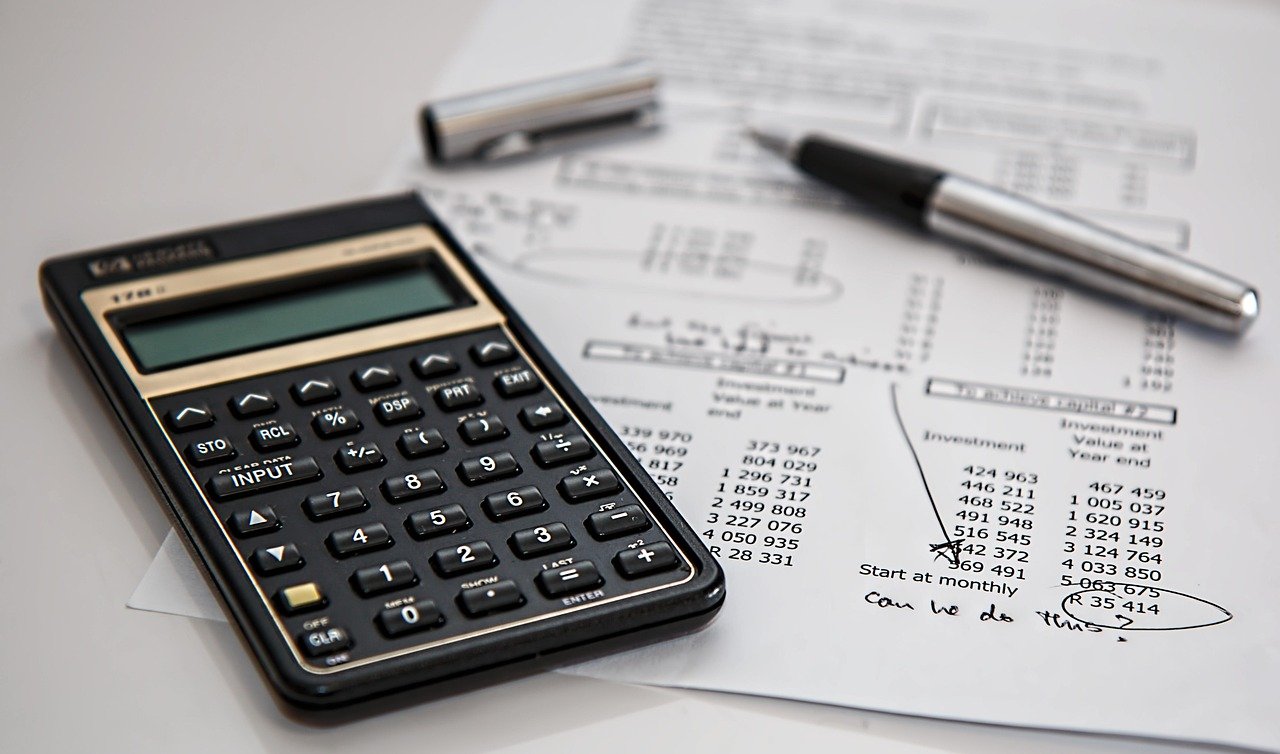
Some income assets take weeks or months to sell, and a rushed sale can cost you.
Some income assets lock your money away. Selling them may take weeks or months. Other assets may sell quickly but lose value during stress.
Rental property offers a clear example. You may need repairs, listings, inspections, and legal paperwork before a sale. A rushed sale may force you to accept less money.
Private business deals can create the same problem. You may own part of a company that earns income but still struggle to find a buyer for your share.
Keep emergency cash outside your income assets. Do not invest money that you may need soon.
| Cash pool | Purpose | Example use |
|---|---|---|
| Bills cash | Covers normal monthly expenses. | Rent, utilities, food, and regular payments. |
| Emergency cash | Covers sudden problems. | Job loss, urgent repairs, or medical costs. |
| Investment cash | Supports long-term assets. | Purchasing or improving an income asset. |
For example, keep $6,000 for emergencies before investing $10,000. Your exact amount depends on your bills and job security.
The key point stays simple: do not force a long-term asset to solve a short-term problem.
BORROWING PRESSURE
Risk Five: Debt Can Make Small Problems Much Worse
Debt increases buying power, but it also magnifies every mistake.
Suppose you buy equipment for $40,000. You pay $8,000 upfront and borrow $32,000. The equipment earns $1,200 monthly, while loan payments cost $700 and insurance, repairs, and storage cost $350.
Your remaining cash flow equals only $150 monthly. If income falls by $300, you lose money each month while the lender still expects payment on schedule.
Warning: Before borrowing, lower the asset’s income by 30% and add one large repair or replacement cost. If the asset cannot survive that test, reduce the loan or buy a smaller asset.
Debt removes your ability to wait. Without debt, you could pause, repair, or sell. With debt, you must keep making payments even when the asset struggles.
EXTERNAL DEPENDENCIES
Risk Six: Outside Rules Can Change

Laws, platforms, contracts, and market rules can change after you invest.
A city may limit short-term rentals. A platform may reduce seller payouts. An email provider may tighten sending rules. A tax change may reduce your after-tax income.
You cannot control every outside decision, but you can reduce your exposure. Read the rules before buying the asset. Check cancellation terms and renewal dates. Learn how much notice a platform must provide.
Ask whether another provider could replace the main one. If one company controls everything, your risk rises.
Build backup systems while the asset performs well. Save customer emails when rules allow it, keep copies of important records, and learn basic skills instead of trusting one service forever.
A backup does not need to look perfect. It only needs to keep your income alive during a problem.
CUSTOMER DEMAND
Risk Seven: Demand May Disappear
An asset that works today may fail when customer needs, technology, or local conditions change.
Customer demand can change faster than expected. People may stop searching for your topic, a better product may replace your offer, a neighborhood may lose jobs or residents, or a repair machine may become outdated.
Watch for falling sales, fewer inquiries, lower prices, or weaker reviews. Ask customers what they may need next and update your offer before demand vanishes.
Avoid assets built around short trends when possible. A short guide may earn $5,000 during a trend, then fall below $200 monthly. The creator should not treat that early income as permanent.
Use strong months to build savings and improve the asset. Do not spend temporary income like permanent income.
TIME AND LABOR
Risk Eight: You May Underestimate Management Work
Passive income often includes regular work that becomes visible only after you buy the asset.
Rental units need repairs and tenant communication. Websites need updates, backups, and customer help. Equipment needs cleaning, storage, and maintenance. Investment accounts need review and rebalancing.
The work may feel small at first. Several small tasks can soon fill your week.
A website earning $900 monthly may require twelve hours each month. If you hire help for $300, your cash profit drops. If you do the work yourself, your free time drops.
Neither choice is automatically wrong. Write down every weekly task, estimate the time, and price outside help before you buy the asset.
Then decide whether the income justifies the effort.
FINAL PROFIT
Risk Nine: Taxes, Repairs, and Refunds Can Cut Profit
Your after-tax cash flow matters more than your gross revenue.
Taxes can reduce your final income. Repairs, refunds, and replacements can also erase profits. These costs often arrive after the asset starts earning money.
Include them in your investment risk review. Set aside money for expected tax bills and keep a reserve for repairs and customer refunds.
Do not treat a strong month as proof of long-term profit. Review what remains after taxes, reserves, labor, and other costs.
DUE DILIGENCE
How to Judge an Income Asset Before Buying
You do not need perfect forecasts; you need honest questions and real evidence.
1. Find the income source
Ask who pays you and why. A customer should receive clear value. A tenant should pay for useful space. An investor should receive a share of business earnings.
If you cannot explain the payment source, stop.
2. Verify the past results
Request records that match the claimed income. Review at least twelve months when possible and check whether the income came from one unusual event.
Separate repeat income from one-time sales. For a serious purchase, review key records with a qualified accountant or attorney. Their review can help you spot tax, contract, or ownership problems.
3. List every cost
Include tools, repairs, taxes, insurance, fees, and labor. Add a reserve for surprises. Many owners use 10% to 20% of revenue for this reserve, but your amount should match the asset’s true repair history.
4. Test bad conditions
Lower income by 30%, raise major costs by 20%, and add one large unexpected bill. Then check whether you can still pay your bills.
5. Measure your exit
Ask how you would sell or close the asset. Find out how long the process usually takes and estimate the selling fees and tax impact.
An easy entry does not guarantee an easy exit.
6. Set a maximum loss
Decide how much money you can safely lose. Write that number before buying. This rule can stop fear from controlling your choices later.
| Scenario | Income assumption | Cost assumption | Question to ask |
|---|---|---|---|
| Best case | Income grows | Costs stay stable | What could improve the result? |
| Expected case | Income stays near recent results | Normal costs continue | Does the asset work without perfect conditions? |
| Worst case | Income falls by 30% | Costs rise and one large bill appears | Can I still pay my bills and limit my loss? |
THIRTY-DAY REVIEW
A Simple 30-Day Safety Plan
Use one month to test the income, costs, rules, and downside before making a large commitment.
Days 1–3
Define the income
Write the asset’s income source and main customer. List every cost, including your unpaid time.
Days 4–7
Collect proof
Check payment records, contracts, bank statements, and customer data. Save dated copies in one secure folder.
Days 8–10
Research the rules
Review taxes, contracts, platform limits, renewal dates, and cancellation terms.
Days 11–14
Build three scenarios
Create best, expected, and worst cases. Lower income and raise costs in the worst case, then add one large bill.
Days 15–18
Compare other choices
Compare the asset with three alternatives. Review expected return, work, liquidity, and downside risk.
Days 19–21
Get a critical review
Ask an experienced person to challenge your plan. For a large investment, seek independent financial, legal, or tax advice.
Days 22–25
Set your limits
Set your cash reserve and maximum loss. Keep emergency money outside the investment.
Days 26–28
Create a backup plan
Identify another platform, supplier, buyer, or service provider for income and operations.
Days 29–30
Make the decision
Decide whether to buy, wait, or walk away.
This process may feel slow, but that delay can save you from an expensive mistake. Do not rush because someone promises easy passive income.
Real income assets need careful checks and ongoing review after purchase. Schedule a monthly check for income and costs, plus a quarterly review for demand and outside risks.
Sell, fix, or reduce the asset when the numbers change.
EVIDENCE FIRST
Trust Checks Before You Invest
Good due diligence starts with original records, not testimonials or verbal promises.
Match sales reports to bank deposits when possible. Match contracts to the income claims. Check whether the seller owns the asset and can legally transfer it.
Keep a written record of every assumption. Record the date, source, and reason for each number.
For complex assets, use independent professional help. An accountant can review tax details. An attorney can review contracts and ownership documents. A qualified adviser can challenge your return and risk assumptions.
Do not rely only on testimonials, screenshots, or verbal promises.
FIT AND CAPACITY
When Income Assets Make Sense
An income asset may fit when it matches your skills, cash, time, and customer knowledge.
You may have useful skills, spare cash, or strong customer knowledge. You may also have enough time to manage the asset. A good fit improves your chance of handling problems.
For example, a plumber may understand rental repairs. A writer may manage a content website more effectively. A local business owner may rent equipment to known customers.
Your experience can lower certain risks, but it does not remove financial risk. You still need records, reserves, and a clear exit plan.
Start with an amount you can afford to lose. Learn from one small asset before buying several, and keep enough cash for normal life expenses.
Avoid confusing confidence with proof. Confidence says, “I think this will work.” Proof says, “The numbers support this plan.” Choose proof whenever the two disagree.
RED FLAGS
When You Should Walk Away
A missed opportunity costs nothing, but a bad purchase can cost years of progress.
Some warning signs deserve an immediate pause:
- The seller refuses to provide basic records.
- Income depends on one lucky event.
- Costs remain unclear.
- Debt creates no safety margin.
- Promises sound guaranteed.
- You must use emergency cash.
- You feel rushed to decide.
You can always look for another asset later. Protecting your cash matters more than chasing speed.
The best income asset should improve your choices. It should not force you into panic.
FINAL CHECK
Final Thoughts on Income Assets Risks
Preparation and control separate useful income assets from expensive mistakes.
Income assets can build cash flow and long-term wealth. They can also create losses, stress, and hidden work.
Check where the income comes from. Track every cost and your own time. Test the asset during weak months. Keep emergency cash separate. Limit debt and reduce platform dependence.
Most importantly, decide your exit before you enter.
Do not ask only, “How much can this asset earn?” Ask, “What could break, and how would I respond?”
That question reveals the real Income Assets Risks. Use the 30-day plan to review your next opportunity.
If the numbers survive honest testing, take the next step carefully. If they fail, protect your money and keep searching.
Final checklist: Verify the income. Stress-test the costs. Set your loss limit. Keep emergency cash separate. Then decide.
