
How much does it cost to create a digital product? The honest answer may surprise you: creating a digital product can cost very little.
You could launch a useful product for under ₹10,000. You could also spend more than ₹2 lakh before making one sale.
The difference comes from your choices, not the product idea alone. You control most costs during the early stages, which means you can test demand before paying for polish, tools, or ads.
THE SHORT ANSWER
Digital Product Cost at a Glance
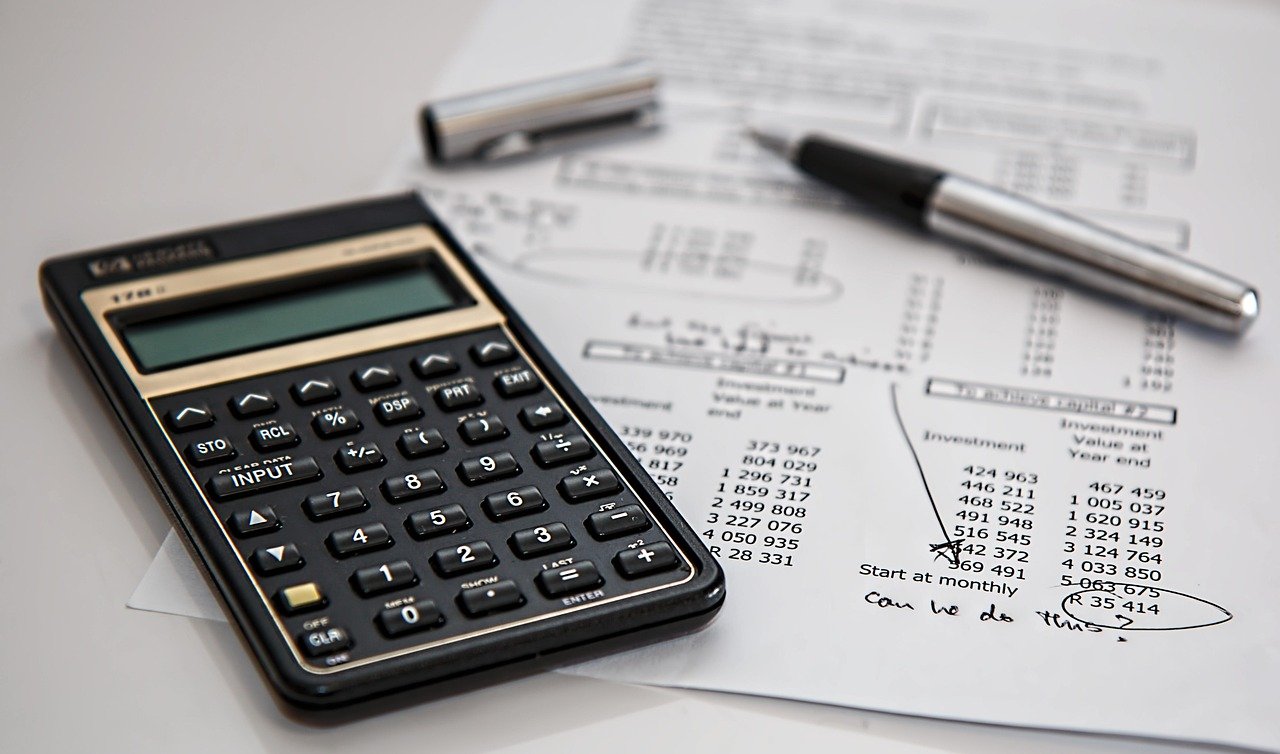
A digital product can cost anywhere from ₹0 to ₹2 lakh, depending on how much work, support, and promotion you add.
Creating a digital product can cost between ₹0 and ₹2 lakh. A lean test may cost about ₹4,000. A practical launch may cost about ₹50,000. A professional build may cost ₹1 lakh to ₹2 lakh.
Your format, tools, design, delivery, and promotion decide the final cost. A checklist needs less work than a video course, while software needs far more testing than a spreadsheet.
| Launch level | Typical budget | Best for |
|---|---|---|
| Lean test | About ₹4,000 | Guides, templates, workshops, and simple trackers |
| Practical launch | About ₹50,000 | Serious courses and product bundles |
| Professional build | ₹1 lakh to ₹2 lakh | Products with proven demand and a larger launch plan |
THE HIDDEN RISK
The Most Skeptical Person in the Room
The safest decision is not always the decision that protects your cash today.
The strongest skeptic is a full-time worker with limited savings. They may have a useful course, template, guide, or tool idea, but they fear losing money they cannot easily replace.
They imagine spending ₹50,000 and earning nothing afterward. They also fear wasting nights, weekends, and family time. If they believe, they think they risk money, energy, and embarrassment.
If they reject the idea, they feel protected from those losses. But their skepticism hides another cost.
They may spend years watching others solve the same problem. They may keep trading hours for income without building an asset. They may also lose valuable proof about what customers truly need.
That loss rarely appears on a bank statement. Yet it can exceed the cost of a small product test.
The real question does not involve belief alone. It involves which choice limits your possible loss.
Key takeaway: You do not need a perfect product to test demand. A small, planned test can limit your downside, while doing nothing can quietly create a much larger long-term cost.
COST BREAKDOWN
What Does Creating a Digital Product Actually Cost?
Your total cost comes from research, creation, delivery, payments, and promotion.
A digital product needs several basic parts. You need research, creation, delivery, payments, and promotion. Each part can cost nothing, little, or quite a lot.
Your product type also changes the total digital product cost. A checklist needs less work than a video course. A paid community needs more support than a simple ebook. A software tool needs far more testing than a spreadsheet.
| Product type | Common starting range |
|---|---|
| Simple guide or checklist | ₹2,000 to ₹15,000 |
| Template bundle | ₹1,000 to ₹20,000 |
| Recorded course | ₹10,000 to ₹75,000 |
| Live workshop | ₹2,000 to ₹25,000 |
| Paid membership | ₹5,000 to ₹50,000 |
| Small software tool | ₹25,000 to ₹2 lakh |
These ranges include outside help and basic tools. You can spend less by doing more work yourself, or spend more by hiring experts from the start.
Neither approach guarantees sales. A polished product can still solve the wrong problem, while a simple product can sell well when customers need it badly.
Do not spend heavily before confirming that the problem matters.
PROVE THE PROBLEM
Research Costs: ₹0 to ₹25,000

Research helps you avoid building something unwanted.
You need customer conversations before making major decisions. You can speak with potential buyers through calls or messages, and study reviews of competing products.
Look for repeated complaints, questions, and missing features. This work can cost nothing except your time.
A free form can collect answers from interested people. A simple spreadsheet can organize their words and patterns. You might spend ₹2,000 on small customer incentives, such as offering ten people ₹200 for honest feedback.
You could also pay a researcher between ₹5,000 and ₹25,000. That option helps when you lack time or research skill, but paid research does not replace direct customer contact.
Ask questions about past actions, not future wishes. “Would you buy this?” often creates weak answers. “What did you try last month?” creates stronger evidence.
- Ask what people bought, used, stopped, and disliked.
- Study what they have already tried to solve the problem.
- Use past spending as a clue about future purchases.
- Look for repeated language across several conversations.
You should also test a basic offer before full production. Create a simple sales page or interest form, then ask people to join a waitlist.
Better still, accept a small refundable deposit. A deposit shows stronger interest than a polite comment.
Math check: Spend on proof before spending on production. Ten people receiving ₹200 for feedback creates a ₹2,000 research test, not a ₹50,000 product bet.
TRUST AND USABILITY
Design Costs: ₹0 to ₹60,000
Your first design goal is easy use, not expensive branding.
Design affects trust, clarity, and ease of use. It does not require expensive branding during your first test.
You can create basic pages with free design tools and use simple templates from trusted marketplaces. A clean layout often beats a fancy visual style.
| Design approach | Budget | What it may cover |
|---|---|---|
| Do it yourself | ₹0 to ₹5,000 | Fonts, icons, stock images, templates, worksheets, and slides |
| Freelancer | ₹5,000 to ₹25,000 | Workbook, slide deck, or product cover |
| Professional designer | ₹25,000 to ₹60,000 | Full visual system for your brand |
You can create worksheets, covers, and slides yourself. You can also ask a skilled friend for early help.
A professional designer makes more sense after steady sales arrive. Do not pay for a premium look before testing usefulness.
Customers usually buy a clear result, not a beautiful file. A strong template can look simple and still feel valuable, while a confusing product can look expensive and still disappoint buyers.
Your first design goal should involve easy use. Can buyers open it, understand it, and act quickly? If yes, your design may already work well enough.
TOOLS AND WORKFLOW
Software Costs: ₹0 to ₹30,000
Start with the fewest tools that can deliver a useful first version.
Software costs depend on your product and delivery plan. You can begin with tools you already know.
- Google Docs can handle guides and written lessons.
- Google Sheets can handle calculators, trackers, and simple planners.
- Canva can handle covers, worksheets, and presentation slides.
- A form tool can collect emails and customer questions.
You may spend nothing during your first product test. That approach keeps your financial risk very low.
| Software category | Typical cost |
|---|---|
| Email software | ₹0 to ₹3,000 monthly |
| Design software | ₹0 to ₹2,000 monthly |
| Course software | ₹2,000 to ₹15,000 monthly |
| Community software | ₹1,000 to ₹10,000 monthly |
| Automation tools | ₹1,000 to ₹8,000 monthly |
Paid tools can save time and improve delivery, but avoid buying every tool before launch. Choose one tool for each important job.
Start with manual work where possible. You can send files yourself after each payment and answer questions personally during your first launch.
Later, automation can reduce repeated work. Software should support proven demand, not replace it.
ACCESS AND SUPPORT
Hosting and Delivery Costs: ₹0 to ₹20,000

Use the simplest delivery system that gives customers safe, reliable access.
Your customers need a safe way to receive products. Simple products need very little hosting support.
You can store files on cloud drives during early tests and send private download links after payment. A basic website may cost ₹3,000 to ₹15,000 yearly, including a domain and simple hosting.
Course platforms may charge monthly fees instead. Some platforms also keep a percentage of each sale.
Compare monthly costs against expected sales. A platform costing ₹5,000 monthly needs enough revenue to justify the expense.
For a small launch, use the simplest delivery system. You can upgrade after customers ask for better access.
Paid membership products need stronger hosting and support. They may need login systems, video storage, and member pages, which can raise costs quickly.
Warning: A cheap launch can become expensive if support grows. Plan your delivery method before accepting many customers, especially for memberships and ongoing communities.
TRANSACTION MATH
Payment Processing Costs: Usually Two to Five Percent
Payment fees look small, but low-priced products can feel them more sharply.
Payment processors usually charge a fee per transaction. The exact fee depends on your provider and payment method. Some providers also charge taxes on their service fees.
You may pay setup fees with certain payment systems. Read current pricing before choosing a payment provider, and do not assume every provider offers the same terms.
For example, a ₹1,000 sale may lose ₹20 to ₹50. That fee usually feels manageable at healthy prices, but low-priced products face tighter margins.
A ₹99 product may lose a larger share to fees. You may also face refunds, failed payments, or currency costs.
Include these items in your digital product pricing plan. Do not set prices using production costs alone. Your price should also cover support, promotion, and payment fees.
Consider selling bundles when your product supports more value. A ₹1,500 bundle can leave more room for customer support, but avoid adding useless items just to raise prices.
Buyers notice weak bonuses quickly. A clear result matters more than a large product bundle.
GETTING ATTENTION
Promotion Costs: ₹0 to ₹1 Lakh
Promotion can cost cash, time, or both.
Promotion often becomes the largest spending area. You can promote through content, partnerships, communities, or ads.
Free promotion costs time rather than direct cash. You could publish helpful posts on LinkedIn or Instagram, answer questions inside relevant online communities, or build an email list through useful free content.
- Publish helpful content for one clear audience.
- Ask early buyers for referrals and feedback.
- Share useful answers in relevant communities.
- Build an email list with practical free content.
Paid promotion can speed up testing. You may spend ₹5,000 on a small advertising experiment. That amount can show which message attracts attention, but it cannot prove long-term demand by itself.
A larger campaign may cost ₹25,000 to ₹1 lakh. That budget makes sense after your offer shows signs of demand.
Do not use ads to rescue a weak offer. Ads can bring visitors, but they cannot create strong value.
You may also pay creators for partnerships. Small creators might charge ₹2,000 to ₹20,000 per promotion. Their audience should match your product closely.
Follower counts matter less than trust and audience fit. Ask for past campaign results before paying anyone.
Track clicks, email signups, sales, and refund requests. Without tracking, promotion becomes expensive guesswork.
CHOOSE YOUR RISK
Three Realistic Digital Product Budget Paths

Choose a spending path that matches your current proof, time, and risk tolerance.
You can choose a spending path that matches your risk level. The right path depends on what you know about the customer problem and how much cash you can safely commit.
Path One: The Lean Test
This approach tests demand with very little cash. A possible product launch budget might look like this:
| Cost area | Budget |
|---|---|
| Research | ₹0 |
| Design | ₹1,000 |
| Software | ₹0 |
| Hosting | ₹1,000 |
| Payment setup | ₹0 |
| Promotion | ₹2,000 |
| Total | About ₹4,000 |
You create a small version of the product first, then offer it to a narrow group of buyers. This path suits guides, templates, workshops, and simple trackers.
Your main investment involves time and direct customer work. You might spend ten to twenty hours before launch, but that effort can prevent a much larger financial mistake.
Path Two: The Practical Launch
This approach adds useful help and better delivery. A possible budget might include:
| Cost area | Budget |
|---|---|
| Research incentives | ₹5,000 |
| Design help | ₹15,000 |
| Software | ₹5,000 |
| Hosting | ₹8,000 |
| Payment and setup costs | ₹2,000 |
| Promotion | ₹15,000 |
| Total | About ₹50,000 |
This budget suits a serious course or product bundle. You still avoid unnecessary custom technology and pay for speed, clarity, and a cleaner customer experience.
The product should already have early demand signals.
Path Three: The Professional Build
This approach supports a bigger launch. A possible budget could reach ₹1 lakh to ₹2 lakh.
You might hire researchers, writers, designers, and video editors. You might also run paid campaigns across several channels.
This route makes sense with proven demand and clear funding. It creates more risk when you lack customer proof.
Professional work can improve the product greatly, yet it cannot guarantee that people will buy.
THE COST OF INACTION
The Asymmetry: Why Waiting Can Cost More
A controlled test has a clear limit. Inaction often does not.
Now return to the skeptical full-time worker. They fear losing ₹10,000 on a careful product test. That fear feels reasonable because the loss feels immediate.
In the first outcome, they test cheaply and learn. They discover weak demand before spending serious money. They lose perhaps ₹5,000 and several weekends, but that loss has a clear limit.
In the second outcome, they never test anything. They keep the ₹5,000 inside their bank account, but lose customer knowledge and possible future income.
They also lose the chance to build a repeatable sales process. That missed chance may cost far more over several years.
The key difference involves limited versus open-ended risk. A test has a budget ceiling. Inaction has no clear ceiling.
You might delay one month, then another year. Meanwhile, another creator may solve the same problem first.
Your skepticism protects cash today. It may also block income, skills, proof, and confidence tomorrow.
A small failed test can protect you from a large failed launch.
Many products will fail. Failure still gives useful information when you control the cost.
Unplanned spending creates painful failure. Planned testing creates affordable learning.
VALIDATE IN ONE WEEK
A Simple Seven-Day Starting Plan
You do not need months of preparation. You need a focused week with clear spending limits.
Set a strict test budget before starting. For example, cap your first test at ₹5,000. Do not increase that limit because you feel excited.
Day 1
Choose one painful customer problem
Focus on one specific problem instead of trying to serve everyone.
Day 2
Find ten people with that problem
Reach out to possible buyers through your network or relevant communities.
Day 3
Ask about failed solutions
Learn what they tried recently, what stopped working, and what they disliked.
Day 4
Create a simple product promise
Describe the clear result your product could help the customer achieve.
Day 5
Build a one-page offer
Use a simple sales page or waitlist page to explain the problem and result.
Day 6
Share the offer
Send it to interested people and invite direct feedback or a refundable deposit.
Day 7
Review the evidence
Study replies, deposits, questions, and objections before spending more.
A customer does not need to buy immediately. They should show clear actions beyond friendly praise.
- Join your waitlist.
- Request payment details.
- Ask when the product becomes available.
- Explain their current solution and its problems.
These signals help you improve your offer. They also show whether the problem deserves more work.
LEAN EXECUTION
How to Keep Your First Product Affordable

Limit the audience, promise, format, and tools before you limit the product’s usefulness.
Start with one audience and one clear result. Do not build a huge product for everyone.
A narrow audience makes research and promotion easier. It also reduces the amount of content you need.
Choose a format that matches the customer’s daily habits. A busy manager may prefer a short checklist. A beginner may prefer a guided video course. A business owner may prefer a calculator or worksheet.
Use free tools during the first version. Ask customers where they struggle after buying, then improve the parts that create real friction.
Do not add features because competitors include them. Add features because customers need better results.
Keep promotion focused on one main channel. Master one channel before adding three more.
Track every rupee from the first day. Record software, design, promotion, refunds, and support time.
Your real product cost includes unpaid labor too. If you spend twenty hours, record that time honestly. This step helps you set a fair future price and shows where automation could help later.
SCALE WITH PROOF
When Should You Spend More?
Spend more when customers prove steady demand, not when you simply feel excited about the idea.
You may see repeat sales across several weeks. You may receive referrals without asking constantly. You may also see buyers finish and recommend your product.
These signs support larger investments. At that point, hire help for repeated tasks.
- A designer can improve clarity and consistency.
- An editor can make lessons easier to follow.
- A developer can build features customers already request.
- An ad specialist can improve a campaign with proven sales.
Do not hire experts to solve problems you have not studied. You need evidence before adding expensive complexity.
You should also keep a cash reserve for refunds and delays. Never spend your entire available budget on production.
Keep money for customer support and basic promotion. A product needs time to find its first buyers.
BEFORE YOU PAY
Important Cost Checks Before You Launch
Treat every budget as a planning range, then confirm current costs before committing.
These figures are planning ranges, not fixed quotes. Tool prices, freelancer fees, taxes, payment fees, and platform terms can change.
- Check current provider pricing before committing money.
- Record unpaid work and support time.
- Allow for refunds and failed payments.
- Compare platform fees with expected sales.
- Keep a reserve instead of spending your full budget.
- Track promotion results from the first campaign.
Final cost check: Your honest digital product cost includes tools, design, promotion, payment fees, refunds, support, and the value of your unpaid work.
THE DECISION
The Bottom Line on Digital Product Costs
You do not need blind belief. You need a budget, a customer problem, and a small test.
Creating a digital product can cost ₹0, ₹5,000, or ₹2 lakh. Your chosen format, quality level, and growth plan decide the number.
The safest starting point usually involves a small paid test. Research customers before building the full product. Use simple tools before buying expensive software.
Keep design clean before paying for premium visuals. Choose delivery systems that match your current sales volume. Promote carefully before spending heavily on advertisements.
This approach does not remove every risk. It gives risk a clear limit, and that matters more than chasing a perfect guarantee.
The skeptical person fears losing money by starting. They should also consider losing years by never testing.
A small experiment can fail while protecting future choices. Doing nothing can feel safe while closing those choices slowly.
Set your maximum loss today. Then create the smallest useful product you can sell.
Talk with ten possible buyers before spending more. Your next step could cost less than one expensive dinner.
Take that step this week. The greater risk may not involve spending money. It may involve never discovering what your idea could earn.
Start here: Set a ₹5,000 test limit, speak with ten potential buyers, and build the smallest useful product you can sell. Do not spend more until customers prove the problem deserves a bigger investment.
